

Sewage Ejector Pumps
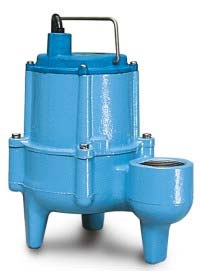
Sewage Ejector Pumps Services
Reliable Sewage Ejector Pump Solutions for Homes & Businesses in St. Louis
Most sewers in St. Louis are anywhere from four to 20 feet below ground. The deeper the sewer, the more complex it is to connect to or repair sewage ejector pumps. If you own a home with a 10’ basement and the sewer line is 12’ deep, gravity will likely handle drainage. But for commercial buildings or deeper basements, a sewage ejector pump is essential to push wastewater up into the main sewer line safely.
At Bieg Plumbing & Mechanical, we have over 60 years of experience helping homeowners and businesses install, repair, and maintain sewage ejector pumps. Whether you’re dealing with a backup, slow drainage, or a pump failure, our licensed technicians are here to help.
How Do Sewage Ejector Pumps Work?
A sewage ejector pump lifts wastewater from lower-level plumbing fixtures, like basement bathrooms, laundry rooms, or floor drains, up into the main sewer line. Once lifted, the waste flows out to the municipal sewer system.
Even if your building is level with the sewer line, site geography may prevent sewage from flowing fast enough on its own. That’s why sewage ejector pumps are critical in:
-
Homes with basement bathrooms or laundry rooms
-
Commercial buildings with plumbing fixtures below street level
-
Subdivisions and private developments where private sewers connect to MSD
Sewage Ejector Pumps Maintenance & Lifespan
Ejector pumps are designed for durability, often lasting 20-30 years with proper care. While minimal maintenance is required, it’s important to:
-
Clear blockages regularly to prevent backups
-
Check and adjust the float switch to avoid running the pump dry
-
Schedule inspections if you notice unusual noises, odors, or poor drainage
Most manufacturers recommend ensuring the liquid level never drops below the pump motor to maximize lifespan.
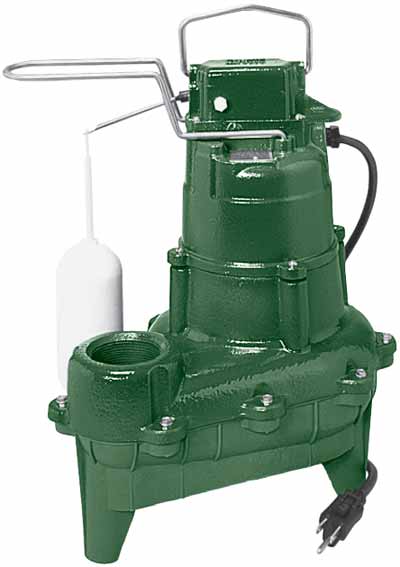
Repair or Replacement Services
If your pump is no longer functioning, Bieg Plumbing & Mechanical can help determine whether a repair or replacement is needed.
-
Repair: Minor issues like float switch problems, clogs, or electrical faults.
-
Replacement: When pumps reach the end of their life cycle or experience motor failure.
We can also install backup pump systems for peace of mind, especially in multi-unit or commercial properties where downtime can cause major disruptions.
Why Choose Bieg Plumbing & Mechanical for Sewage Ejector Pumps?
-
Over 60 years of plumbing experience in St. Louis
-
Licensed plumbers & HVAC technicians for complete building services
-
Emergency service available when you need it most
-
Experts in residential, commercial, and multi-unit properties
-
Honest, upfront pricing with no hidden surprises
Contact Us Today
If you suspect your sewage ejector pumps need service, repair, or replacement, don’t wait for a costly backup. Call Bieg Plumbing & Mechanical at (314) 487-4564 to schedule service with our trusted St. Louis team.
Frequently Asked Questions About Sewage Ejector Pumps
How long does a sewage ejector pump last?
Most sewage ejector pumps last 20-30 years with proper maintenance, although manufacturers typically rate them for at least 10 years. Regular inspections and clearing blockages help extend their lifespan.
What are the signs of a failing sewage ejector pump?
Common signs include foul odors, strange noises, frequent clogging, water backing up in basement drains, or the pump running constantly without shutting off.
Do I need a backup sewage ejector pump?
If you have a finished basement, a commercial property, or multiple units depending on one pump, a backup system is highly recommended. It prevents costly water damage if the main pump fails.
How often should I service my sewage ejector pump?
We recommend a professional inspection once a year. This ensures the float switch, motor, and discharge lines are functioning properly and helps prevent emergency breakdowns.
What’s the difference between a sewage ejector pump and a sump pump?
A sewage ejector pump handles wastewater and solids from bathrooms or laundry rooms located below the sewer line, while a sump pump removes groundwater to prevent flooding.